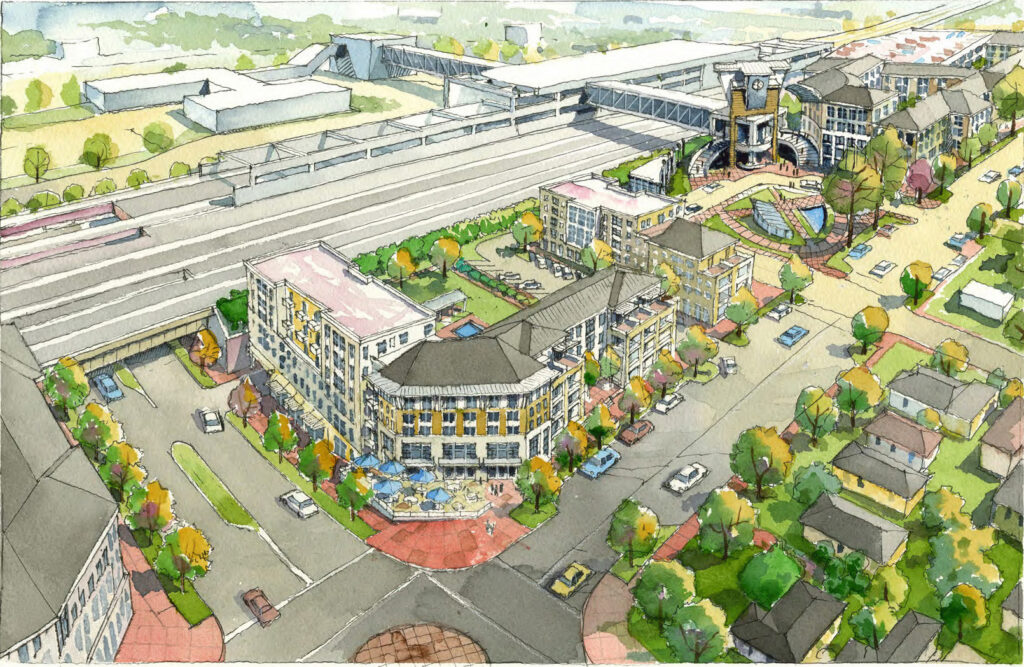
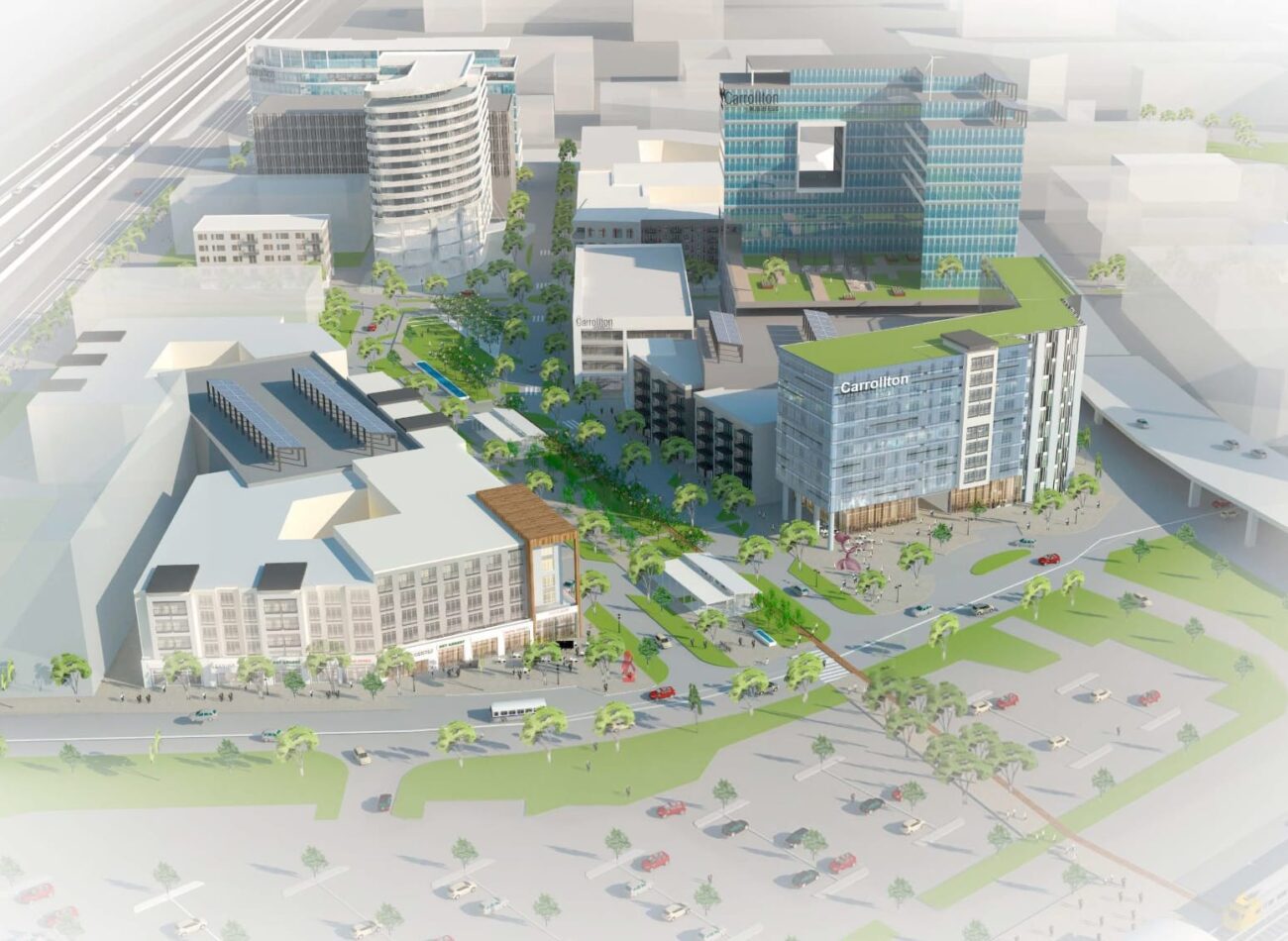
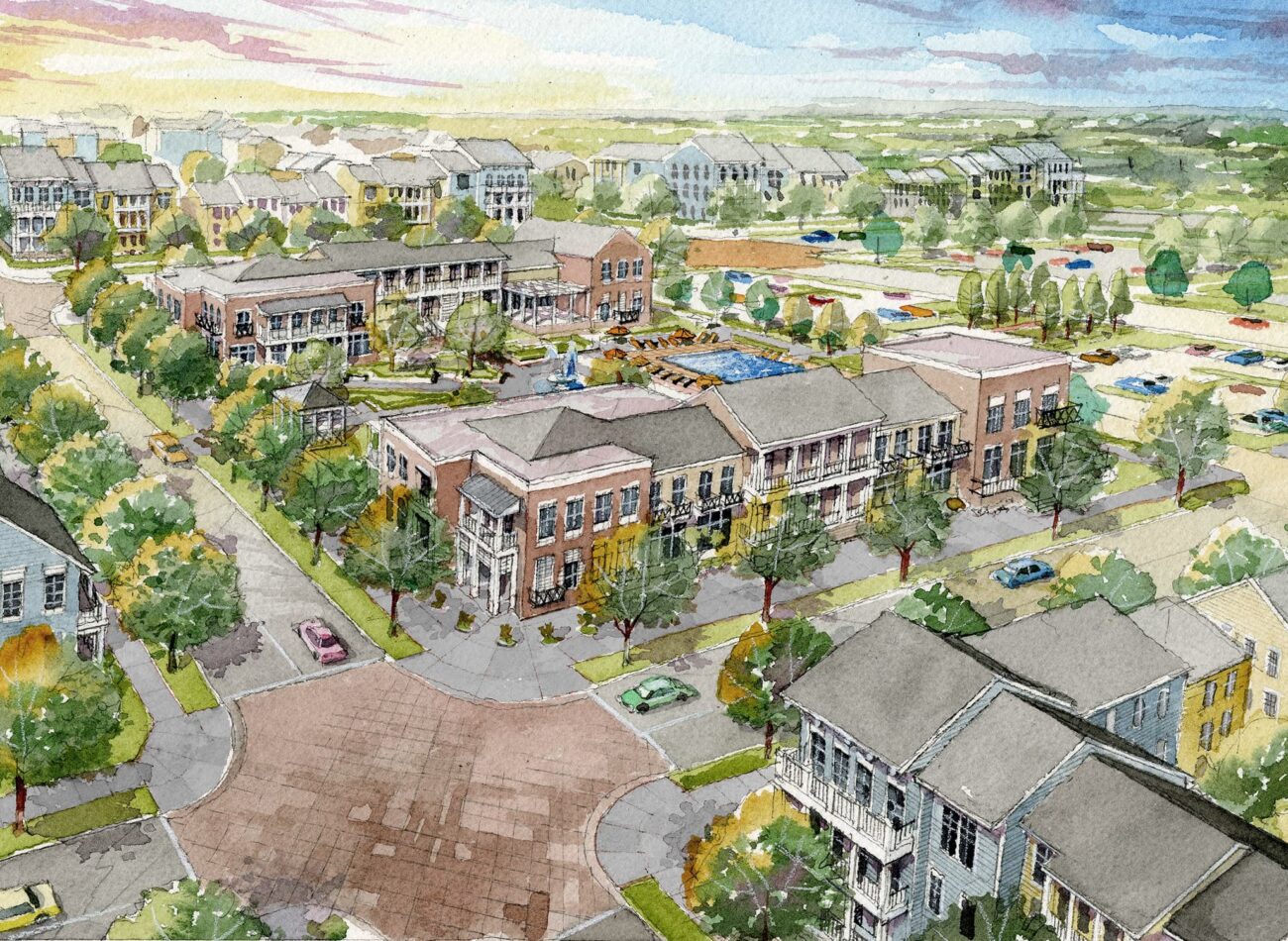
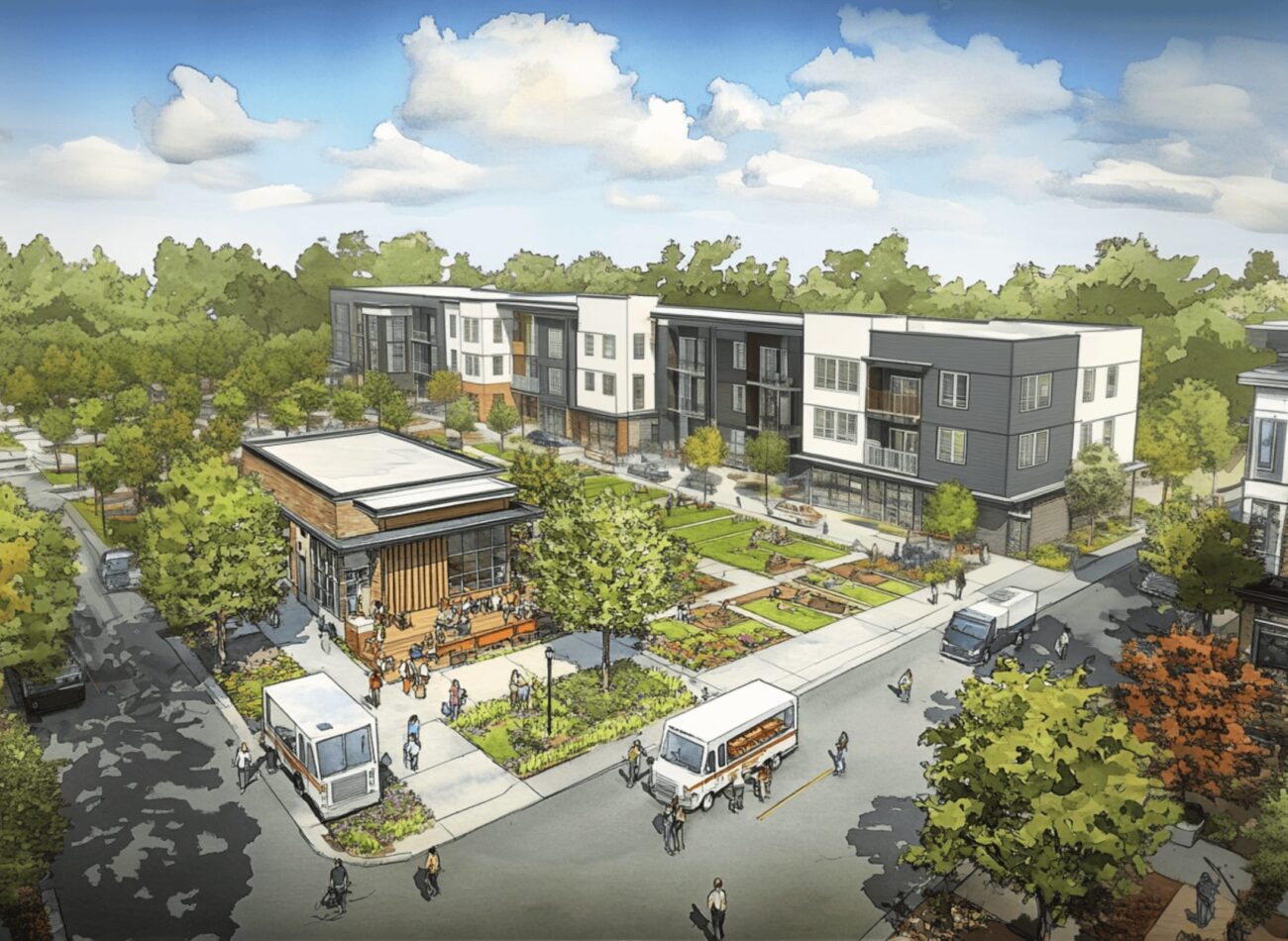
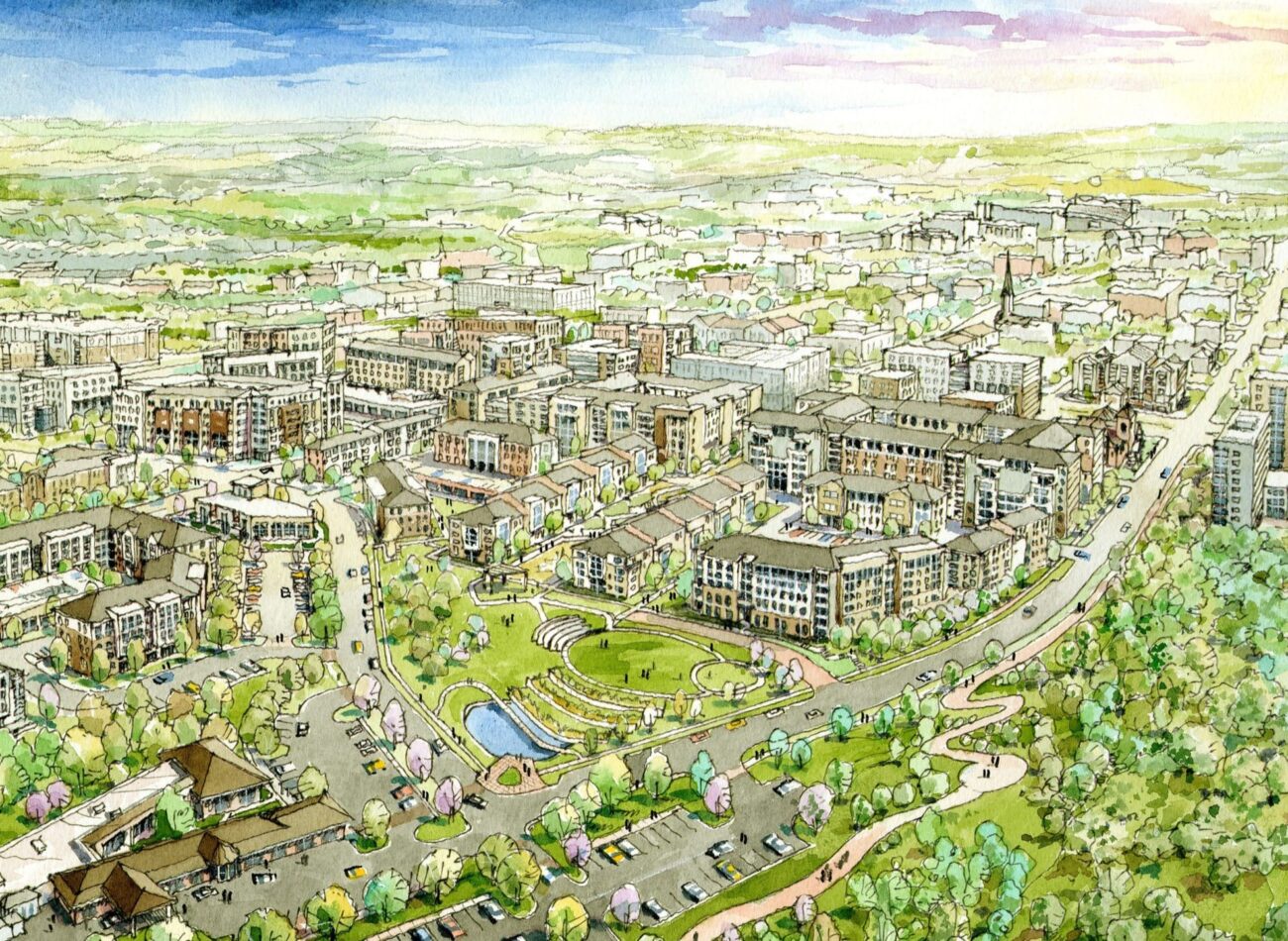
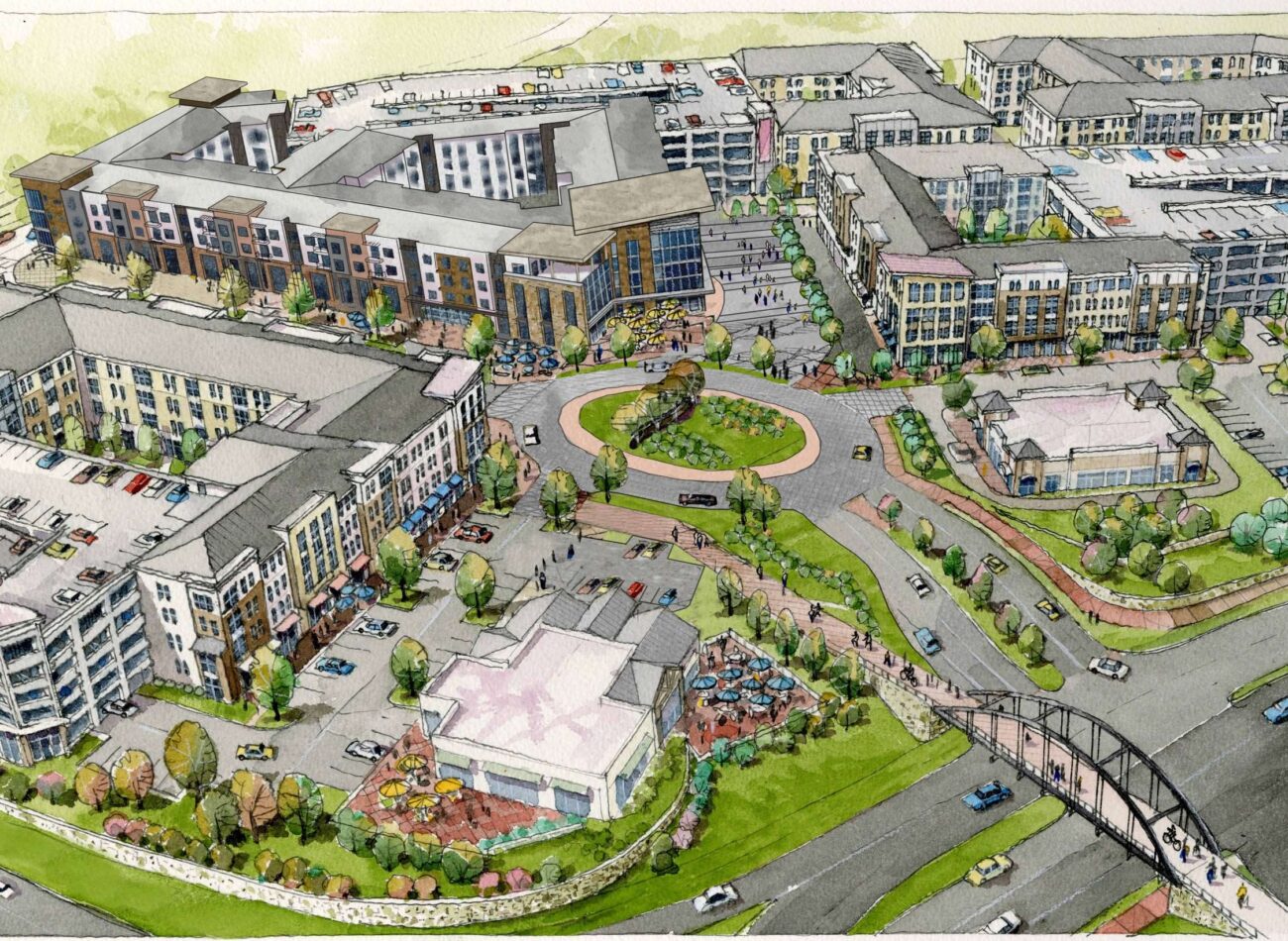
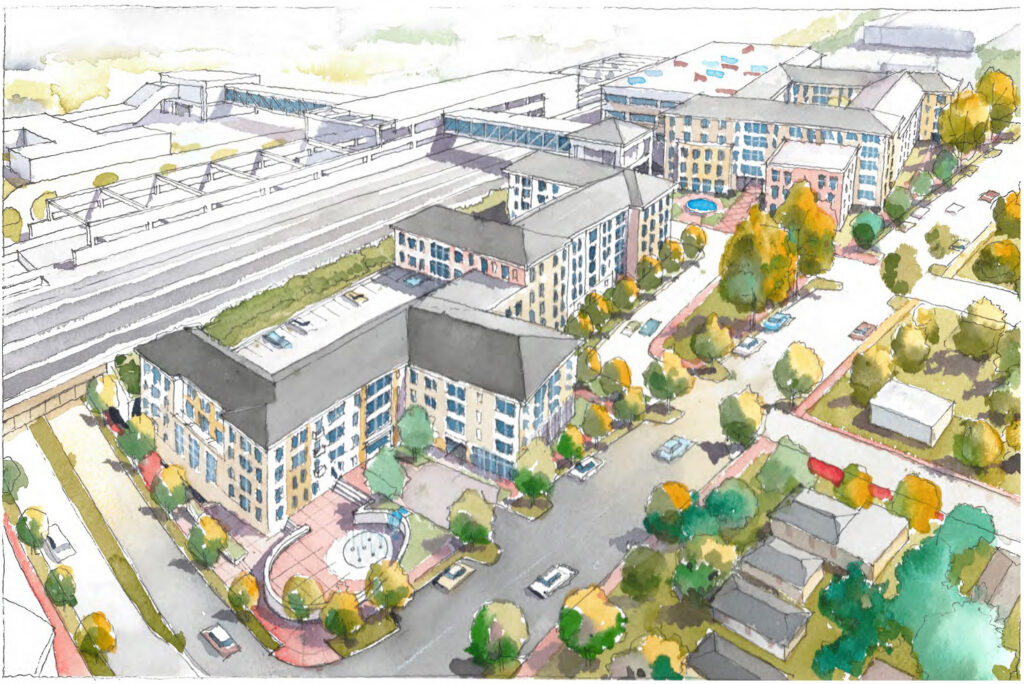
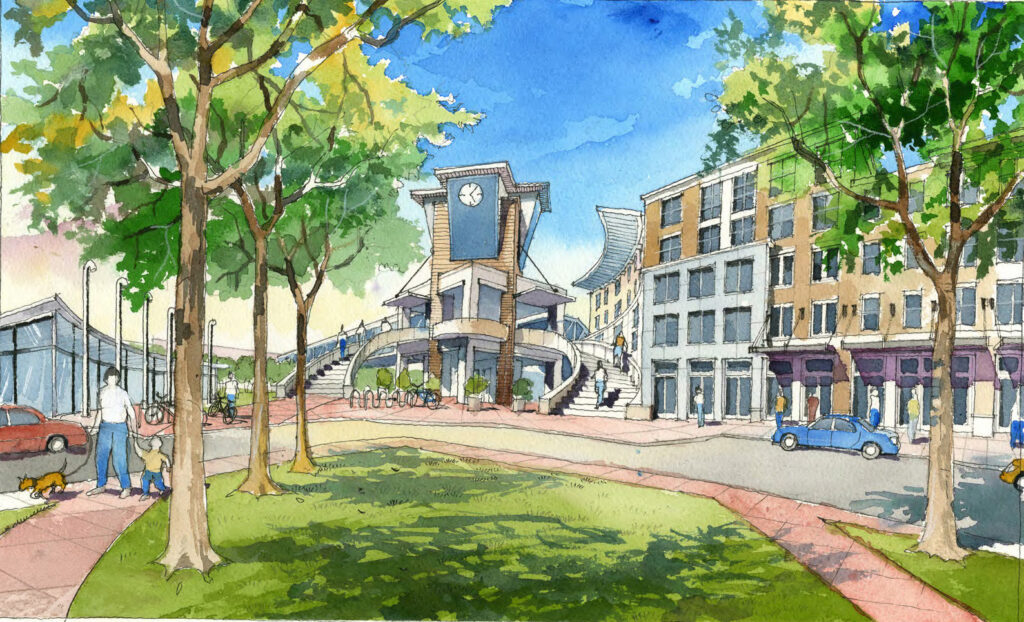
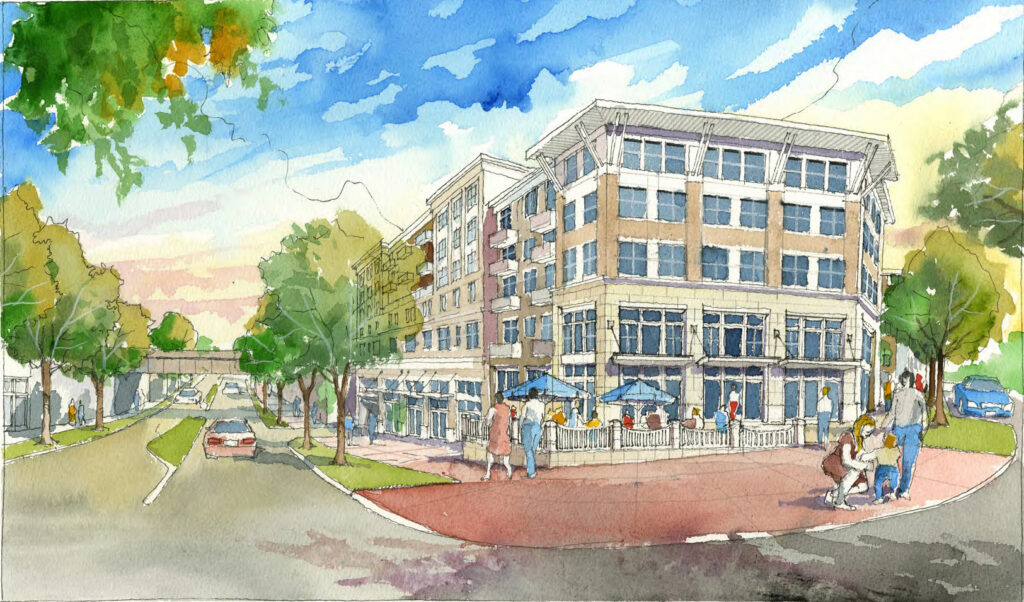
Planning for the Edgewood/Candler Park station area focused on a compact, transit-adjacent site planned for high-density residential development. The charrette explored how concentrated housing could be thoughtfully integrated above and alongside transit functions while still feeling grounded, livable, and connected to its surroundings. Working at a fine-grained scale, the team studied building massing, edges, and open space to ensure that density was expressed in a human-scaled way, with active ground levels, clear pedestrian connections, and shared outdoor spaces that support daily life. The planning effort emphasized how residential intensity near transit can strengthen ridership, activate the station environment throughout the day, and create a sense of place that feels intentional and welcoming despite its compact footprint.
Click highlighted areas to explore projects
Challenge
The Edgewood/Candler Park MARTA station area was dominated by underutilized surface parking that separated transit infrastructure from adjacent residential neighborhoods. The primary challenge was introducing transit-oriented density that could capitalize on the station’s location while remaining sensitive to neighborhood scale, character, and community expectations.
Solution
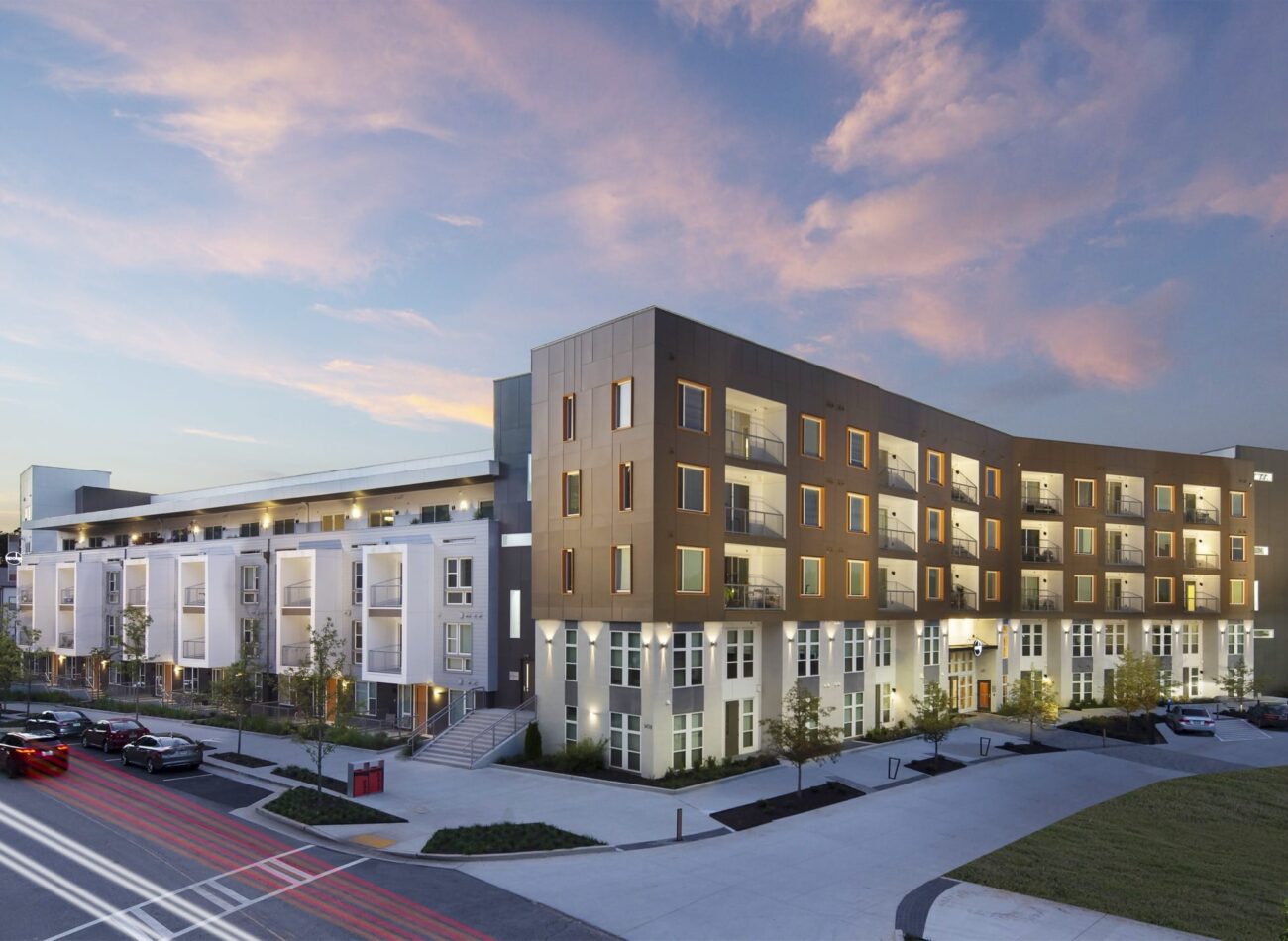
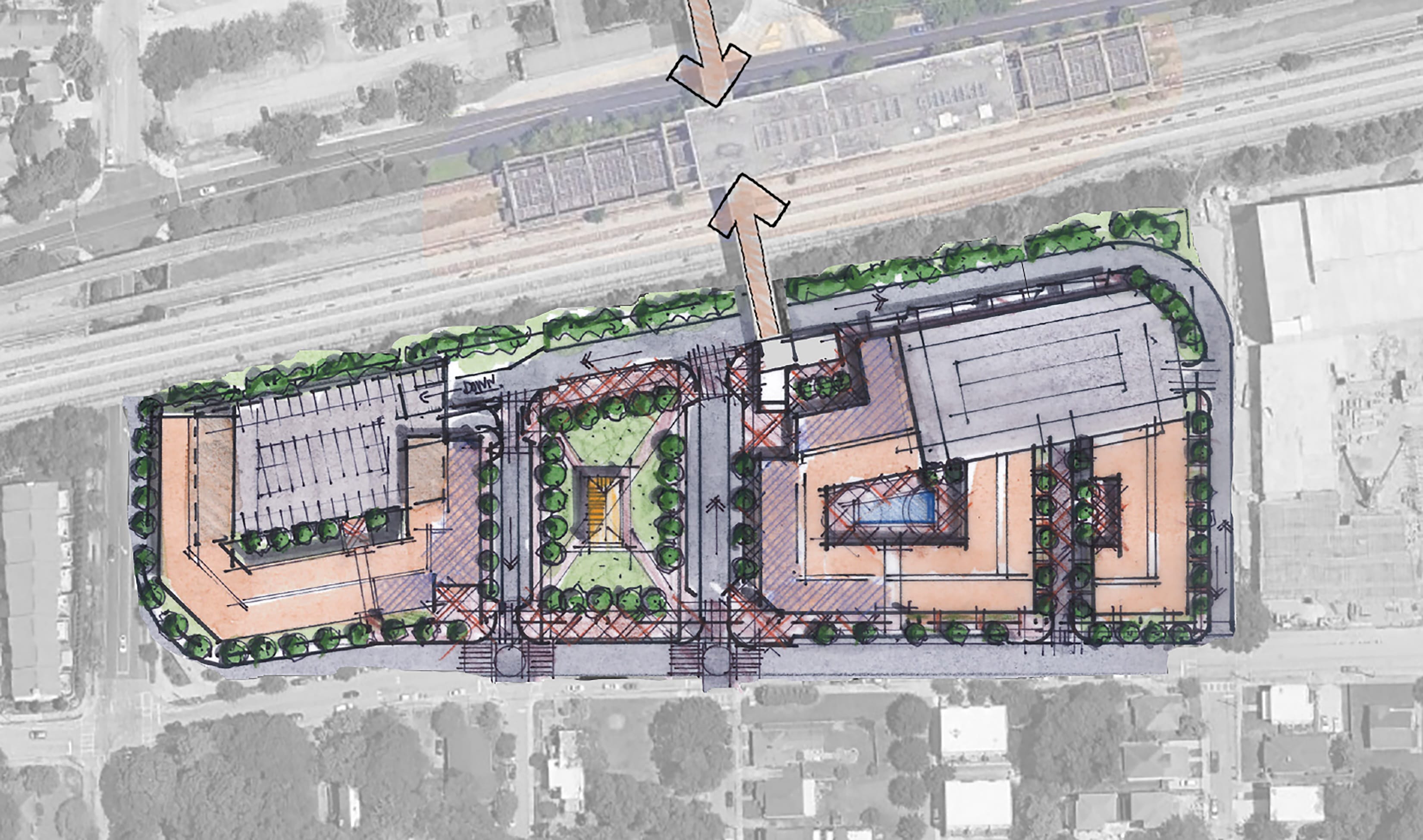
JHP led a four-day design charrette with Columbia Residential, the Atlanta Regional Commission, and local stakeholders to establish a shared vision for transit-oriented development. Building on this collaborative process, JHP advanced the master plan, secured entitlements, and designed the first phase, The Spoke. The five-story building is organized into articulated components that step down along single-family edges and curve inward to frame a central public plaza.
Impact
The planning framework repositions underutilized MARTA land as a walkable, transit-supportive residential environment that strengthens connections between the station and surrounding neighborhoods. Context-sensitive massing, active ground levels, and shared open space reinforce neighborhood character while accommodating higher density. The project demonstrates a replicable model for community-informed, equitable transit-oriented infill and establishes a strong foundation for future phases.